The global animal feed industry has long relied on two primary protein sources: fish meal and soy. While these ingredients have historically played a central role in livestock nutrition, they now present significant environmental, ethical, and health-related concerns that can no longer be ignored.
The global animal feed industry has long relied on two primary protein sources: fish meal and soy. While these ingredients have historically played a central role in livestock nutrition, they now present significant environmental, ethical, and health-related concerns that can no longer be ignored.
The Problem with Fish Meal
Fish meal is produced by harvesting wild forage fish—species that are critical to marine ecosystems and often serve as staple food sources for coastal communities. The overfishing required to sustain fish meal production is contributing to the degradation of ocean biodiversity and threatening global food security.
Moreover, fish meal is increasingly associated with contamination risks, including microplastics and chemical pollutants, which can enter the food chain and pose health risks to both animals and humans. The ethical implications of diverting edible fish from human consumption to animal feed also raise important questions about resource allocation and sustainability.
The Environmental Toll of Soy
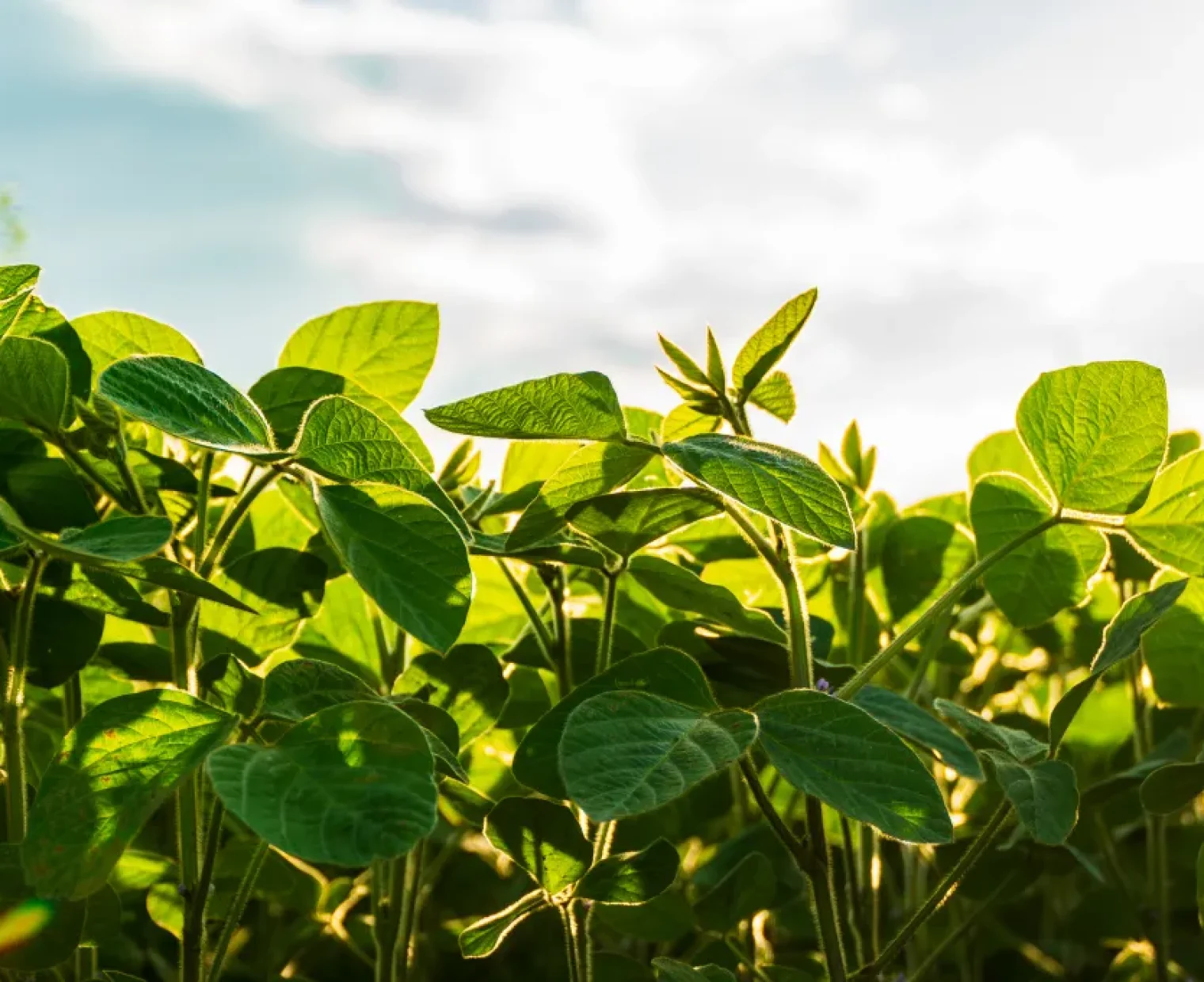
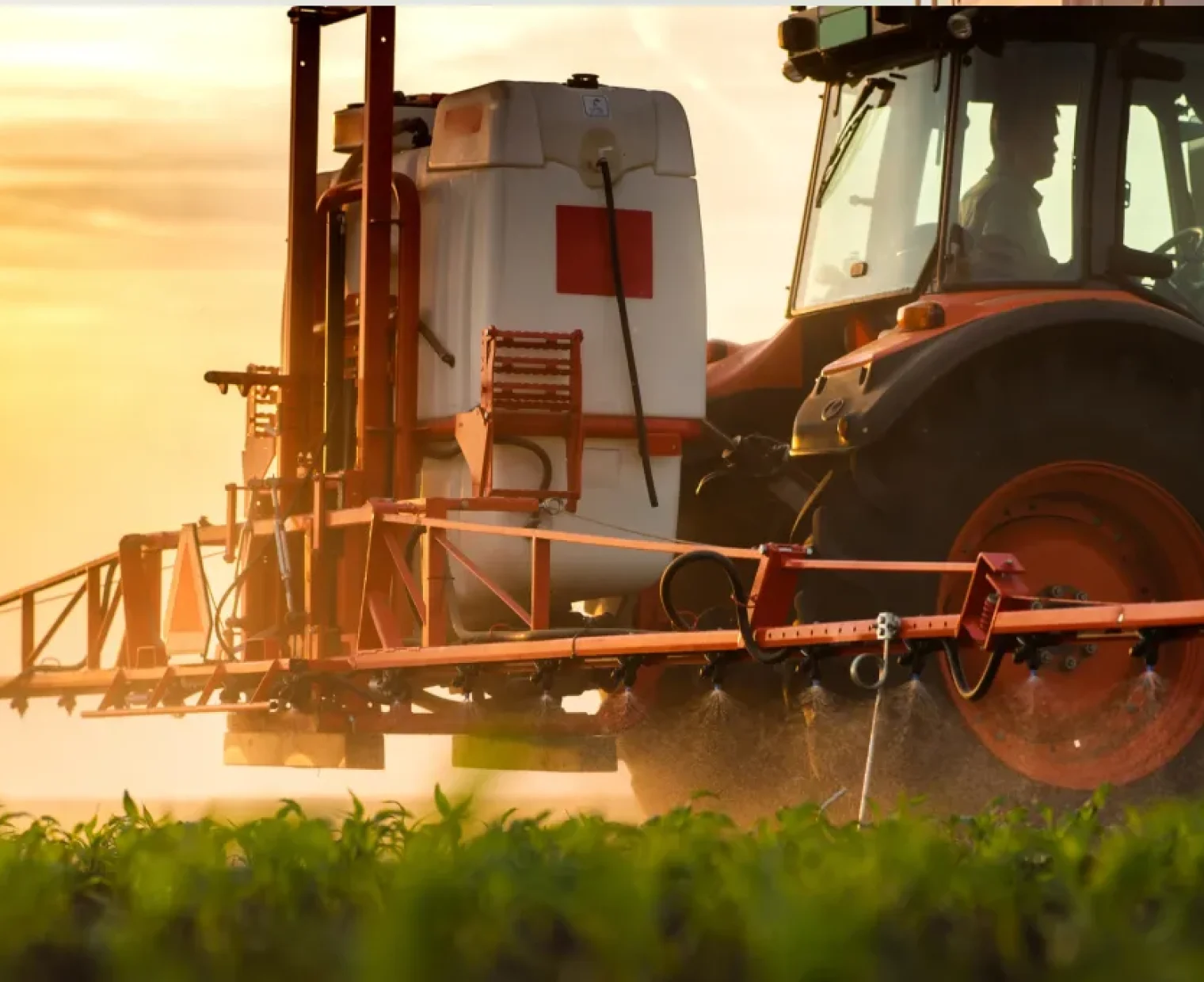
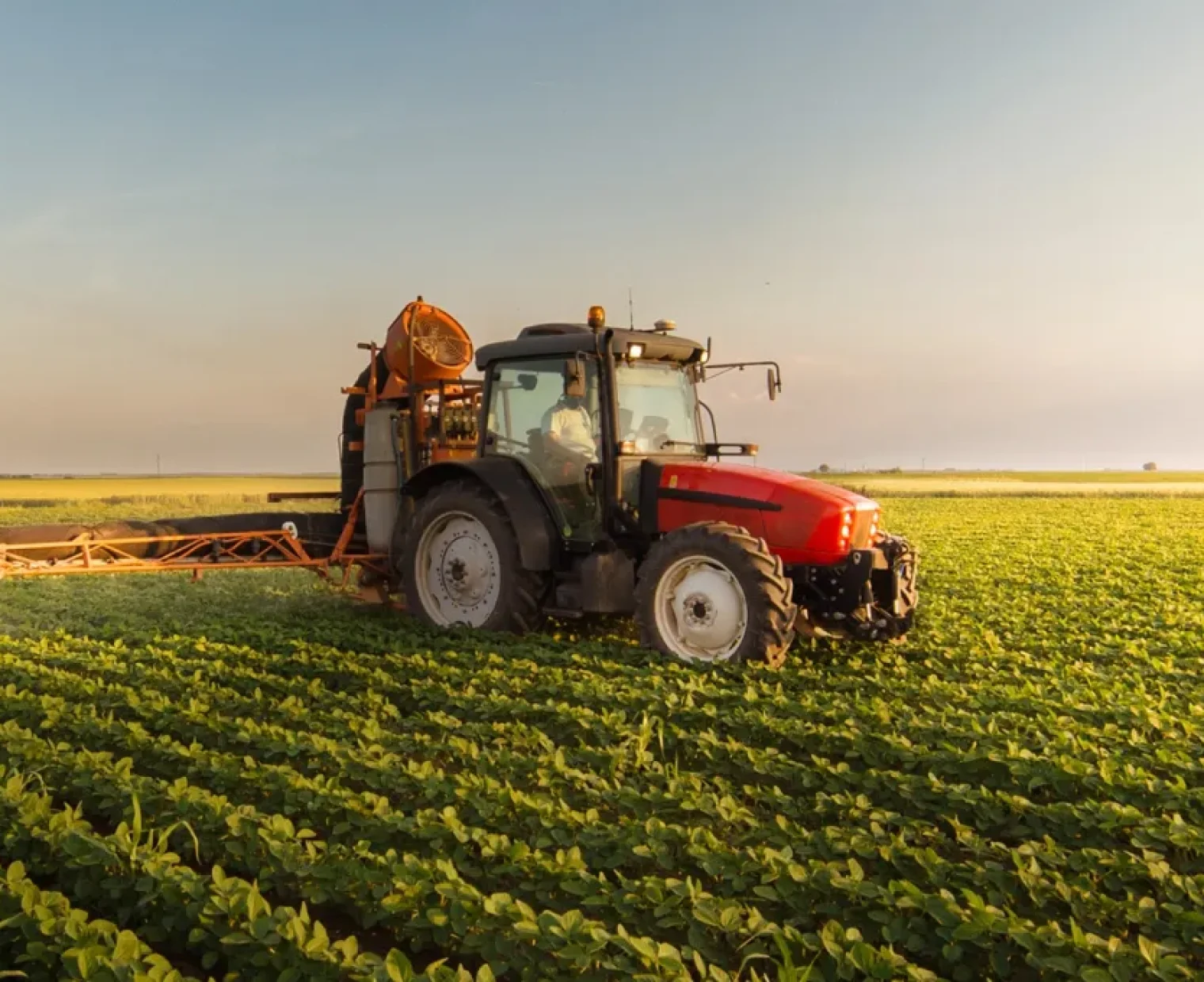
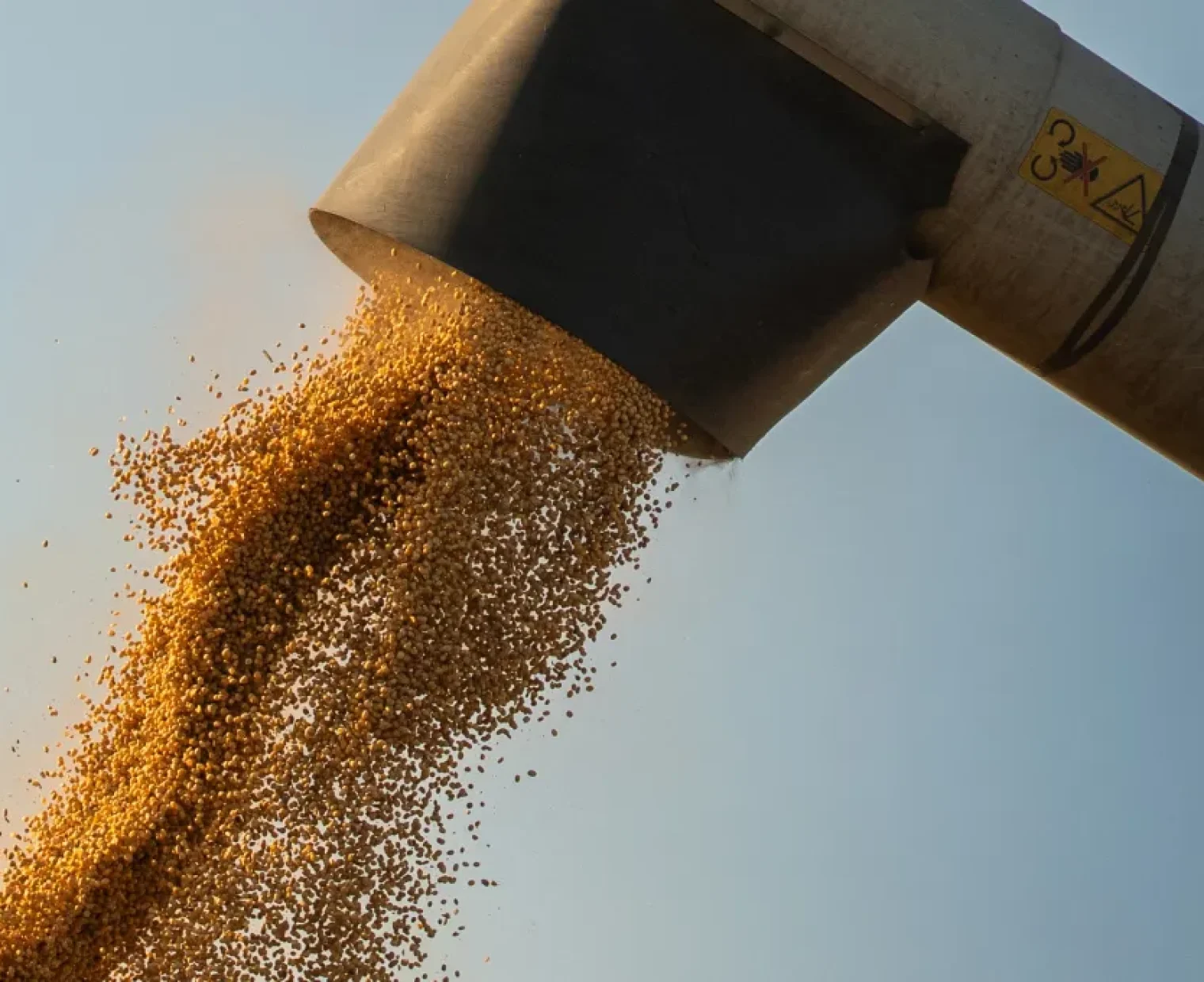
Soy, while widely used, comes with its own set of environmental challenges. Large-scale soy cultivation is a leading driver of deforestation, habitat destruction, and pesticide-intensive monoculture farming. The images of the Amazon rainforest ablaze—cleared to make way for endless rows of chemically treated soy—are a stark reminder of the ecological cost of conventional feed production.
The Flyful Farms Solution: Black Soldier Fly Larvae (BSFL)
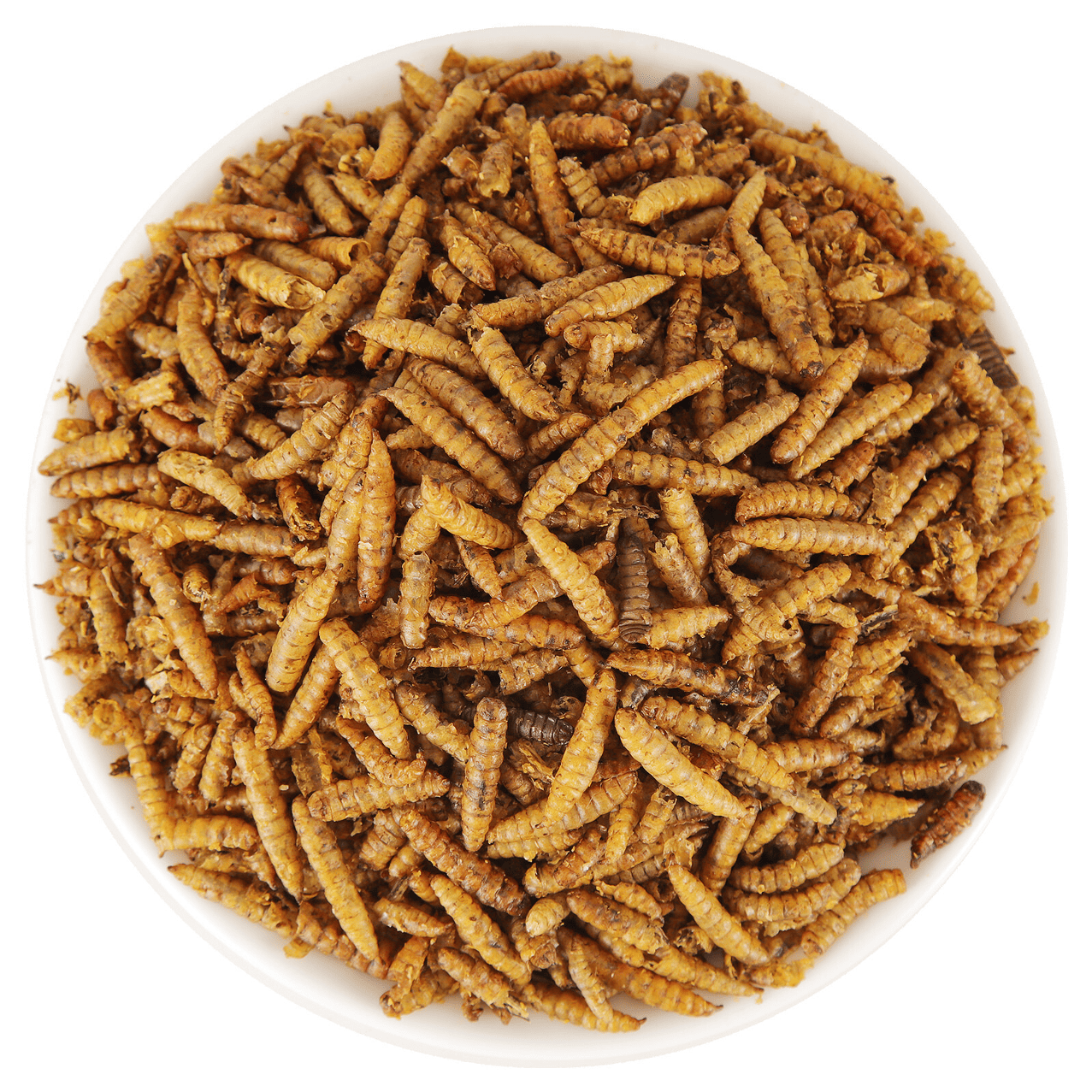
At Flyful Farms, we believe there’s a better way. Our use of Black Soldier Fly Larvae (BSFL) represents a transformative shift in how we think about animal nutrition and environmental responsibility.
We don’t just grow crops — we grow trust, opportunity, and a better future.
High Protein Content: Rich in essential amino acids and nutrients, BSFL provide a superior alternative to traditional protein sources.
Efficient Waste Conversion: Larvae convert organic waste into valuable biomass, helping reduce landfill use and lower greenhouse gas emissions.
Enhanced Animal Health: BSFL possess natural antimicrobial properties that support gut health, reduce dependency on antibiotics, and promote overall well-being in livestock.
Sustainable and Ethical: By repurposing bio-waste and avoiding ecologically harmful inputs, BSFL-based feeds align with global sustainability goals and ethical farming practices.